The global spice industry continues to grow rapidly as consumers worldwide demand authentic flavors, premium ingredients, and high-quality food products. From restaurants and food manufacturers to supermarket chains and distributors, businesses across the world rely heavily on trusted spice suppliers for consistent quality and reliable delivery.
India has long been known as the global hub for spices, supplying a wide variety of products to international markets. However, choosing the right Indian spices exporter is one of the most important decisions for any food business involved in international trade. The right supplier can improve product quality, maintain supply consistency, and help businesses build a strong reputation in competitive markets.
For importers and wholesalers, selecting a reliable spice supplier India is not only about pricing. It also involves evaluating quality certifications, sourcing standards, moisture control, packaging systems, logistics capabilities, and long-term business reliability.
In this guide, we will explain how international buyers can identify the right exporter for their business needs and why working with professional suppliers is essential in the spices import export industry.
Why India Is a Leading Global Spice Exporter
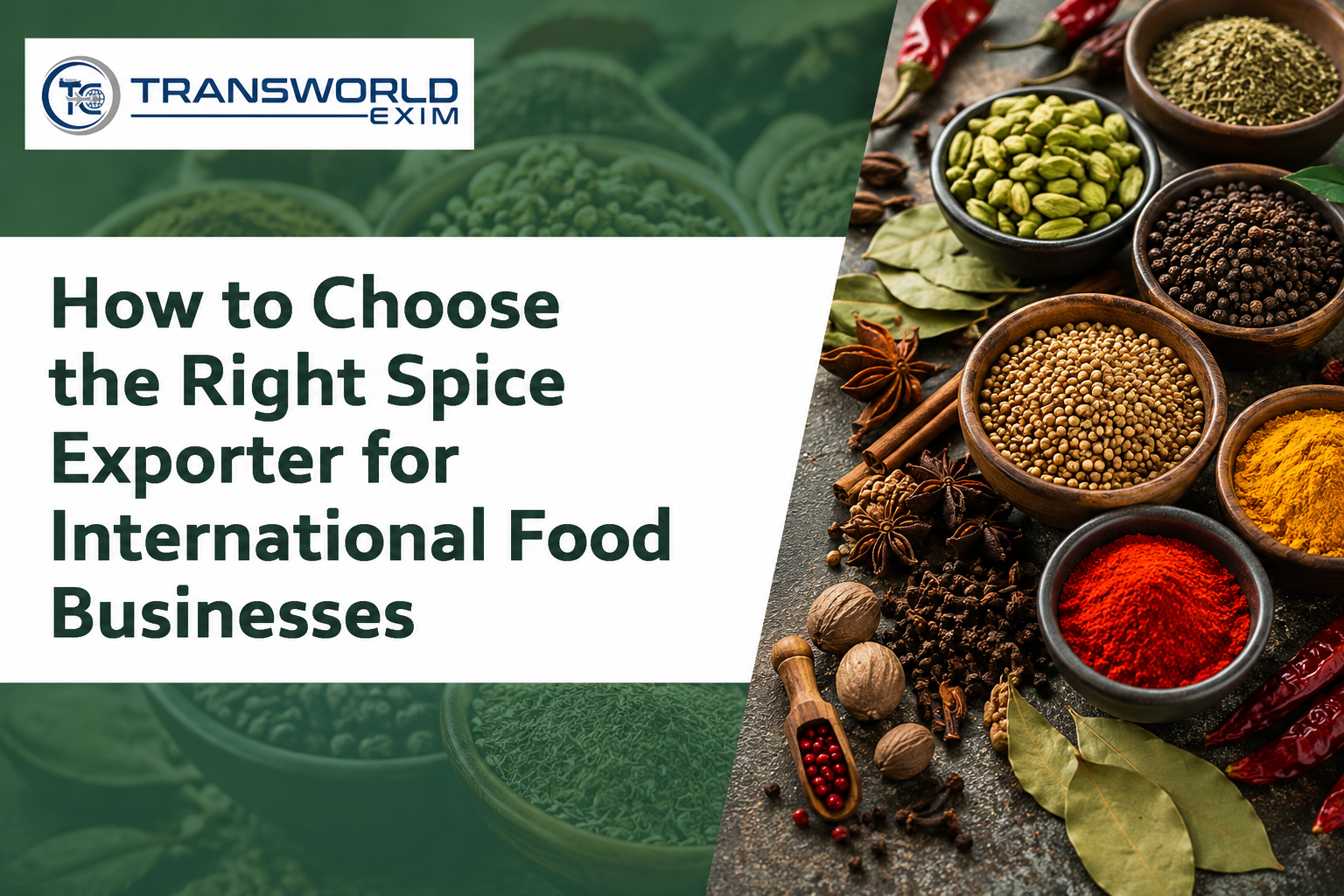
India is one of the largest producers and exporters of spices in the world. The country offers an extensive range of products including turmeric, cumin, coriander, chili, black pepper, cardamom, fennel, cloves, cinnamon, and many other premium spices.
Indian spices are widely preferred because of their strong aroma, rich flavor profiles, and competitive pricing. Favorable climatic conditions and traditional farming expertise allow Indian suppliers to produce export-quality spices that meet international demand.
Today, buyers from Europe, the Middle East, Africa, Asia, and North America actively source products from Indian spices exporters due to the country’s established supply chain and processing infrastructure.
Why Choosing the Right Exporter Matters
The quality of spices directly impacts the final food product. Poor-quality spices can affect taste, shelf life, texture, and customer satisfaction. For restaurants, packaged food brands, and food processing companies, inconsistent spice quality can damage business reputation and profitability.
A reliable exporter helps buyers maintain product consistency, reduce operational risks, and streamline international procurement processes. Professional exporters understand international food safety standards and ensure products meet the required import regulations.
In the competitive spices import export market, working with the wrong supplier can result in delayed shipments, poor packaging, contamination issues, and financial losses. This is why choosing an experienced supplier is essential for long-term business success.
Key Factors to Consider When Choosing a Spice Exporter
Product Quality Standards
Quality should always be the top priority when selecting a supplier. Export-grade spices must be properly cleaned, processed, sorted, and packed to preserve freshness and flavor.
International buyers should look for suppliers that maintain strict quality control procedures throughout the sourcing and processing stages. Uniform color, low moisture content, strong aroma, and minimal impurities are indicators of premium-quality spices.
Experienced exporters use modern processing facilities and advanced cleaning systems to maintain product consistency for global markets.
Importance of Certifications in Spice Export
Food safety and quality certifications play a major role in international trade. Buyers often prefer suppliers that comply with internationally recognized standards.
Some important certifications include:
• ISO Certification
• HACCP Compliance
• FSSAI Registration
• Spices Board Certification
• Organic Certifications (if applicable)
These certifications indicate that the supplier follows proper hygiene, processing, and safety standards during production and packaging.
For food businesses and importers, sourcing from certified suppliers reduces risks and improves trust with customers and retailers.
Sourcing Standards and Raw Material Quality
A professional spice supplier India focuses heavily on sourcing high-quality raw materials from trusted farms and agricultural regions. The quality of the final spice product largely depends on the condition of the raw produce.
Reliable exporters work closely with farmers and procurement networks to ensure consistency in crop quality. Proper harvesting methods, drying techniques, and storage conditions help maintain the natural flavor and nutritional value of spices.
Strong sourcing practices also help exporters provide stable supply throughout the year, which is critical for bulk buyers and distributors.
Moisture Control and Product Freshness
Moisture control is one of the most important aspects of spice export. Excess moisture can lead to fungal growth, contamination, reduced shelf life, and spoilage during international transportation.
Professional exporters use advanced drying and moisture-control systems to maintain product stability. Proper storage facilities and packaging methods also help preserve freshness during shipping.
International buyers should always work with suppliers who understand the importance of moisture management in the spices import export business.
Packaging Solutions for International Markets
Packaging is another critical factor in global spice trade. Good packaging protects products from moisture, contamination, sunlight, and physical damage during transportation.
Different buyers have different packaging requirements depending on their market and business model. A professional bulk spices wholesale supplier should offer flexible packaging options such as:
• Bulk export packaging
• Retail-ready packaging
• Customized labeling
• Private labeling solutions
• Vacuum packaging
High-quality packaging not only protects the product but also improves brand presentation and customer confidence in retail markets.
Logistics & Timely Delivery
Efficient logistics are essential in international trade. Delayed shipments can affect business operations, retail inventory, and customer relationships.
An experienced Indian spices exporter understands international shipping procedures, export documentation, customs clearance, and freight coordination. Reliable suppliers ensure that products are delivered safely and on time.
Buyers should evaluate whether the supplier has experience handling international shipments to their target markets. Strong logistics support reduces delays and improves overall supply chain efficiency.
Importance of Product Variety
Many importers prefer working with suppliers who offer multiple spice products under one roof. This simplifies procurement processes and reduces the need to coordinate with multiple vendors.
A well-established exporter may offer products such as:
• Turmeric
• Chili Powder
• Black Pepper
• Coriander
• Cumin Seeds
• Cardamom
• Cloves
• Cinnamon
• Fennel Seeds
• Mustard Seeds
This variety allows food businesses to source multiple ingredients from a single trusted supplier.
Why Bulk Buyers Prefer Indian Suppliers
India remains one of the most competitive destinations for spice sourcing due to its agricultural strength, skilled workforce, and established export systems.
Global buyers often choose Indian suppliers because they offer:
• Competitive pricing
• Premium-quality products
• Large production capacity
• Reliable export infrastructure
• Wide product variety
• Flexible packaging solutions
For importers, restaurants, and distributors, partnering with a trusted spice supplier India provides long-term operational advantages and business stability.
How Technology Improves Spice Export Quality
Modern processing technology has transformed the spice export industry. Advanced machinery helps exporters improve product cleanliness, maintain consistency, and reduce contamination risks.
Technologies such as automatic grading, color sorting, grinding systems, and hygienic packaging solutions allow exporters to meet strict international quality standards.
This is especially important for buyers supplying supermarkets, food chains, and packaged food brands where consistency is essential.
Common Mistakes Buyers Should Avoid
Many importers make the mistake of choosing suppliers based only on low pricing. While cost is important, poor-quality products can create much larger financial losses in the long run.
Some common mistakes include:
• Ignoring quality certifications
• Not verifying export experience
• Choosing suppliers without proper logistics support
• Overlooking moisture control standards
• Selecting suppliers with inconsistent communication
Working with experienced exporters helps businesses avoid these problems and maintain long-term supply reliability.
How Transworld Exim Supports International Buyers
Transworld Exim focuses on supplying premium-quality spices to international buyers across different global markets. The company works with importers, food brands, restaurants, distributors, and wholesalers looking for reliable export solutions.
With a focus on product quality, sourcing standards, packaging flexibility, and timely delivery, Transworld Exim aims to meet the growing demands of the international spice trade industry.
The company understands the importance of consistency and customer satisfaction in global food businesses. By maintaining reliable sourcing networks and quality-focused export processes, Transworld Exim supports buyers seeking dependable long-term partnerships.
Whether businesses require bulk quantities, customized packaging, or export-grade spice products, the company strives to provide efficient and professional service tailored to international market requirements.
Conclusion
The global demand for premium spices continues to grow as food businesses seek authentic flavors and high-quality ingredients. Choosing the right Indian spices exporter is essential for maintaining product quality, ensuring reliable supply, and building long-term business success.
International buyers should carefully evaluate suppliers based on certifications, sourcing standards, moisture control, packaging quality, logistics capabilities, and export experience.
India remains one of the world’s most trusted sourcing destinations due to its strong agricultural foundation and advanced export infrastructure. By partnering with a reliable spice supplier India, businesses can strengthen their supply chain and improve product consistency in competitive global markets.
For importers, distributors, restaurants, and food brands looking for dependable bulk spices wholesale solutions, experienced exporters like Transworld Exim can provide the quality and reliability required for successful international trade.