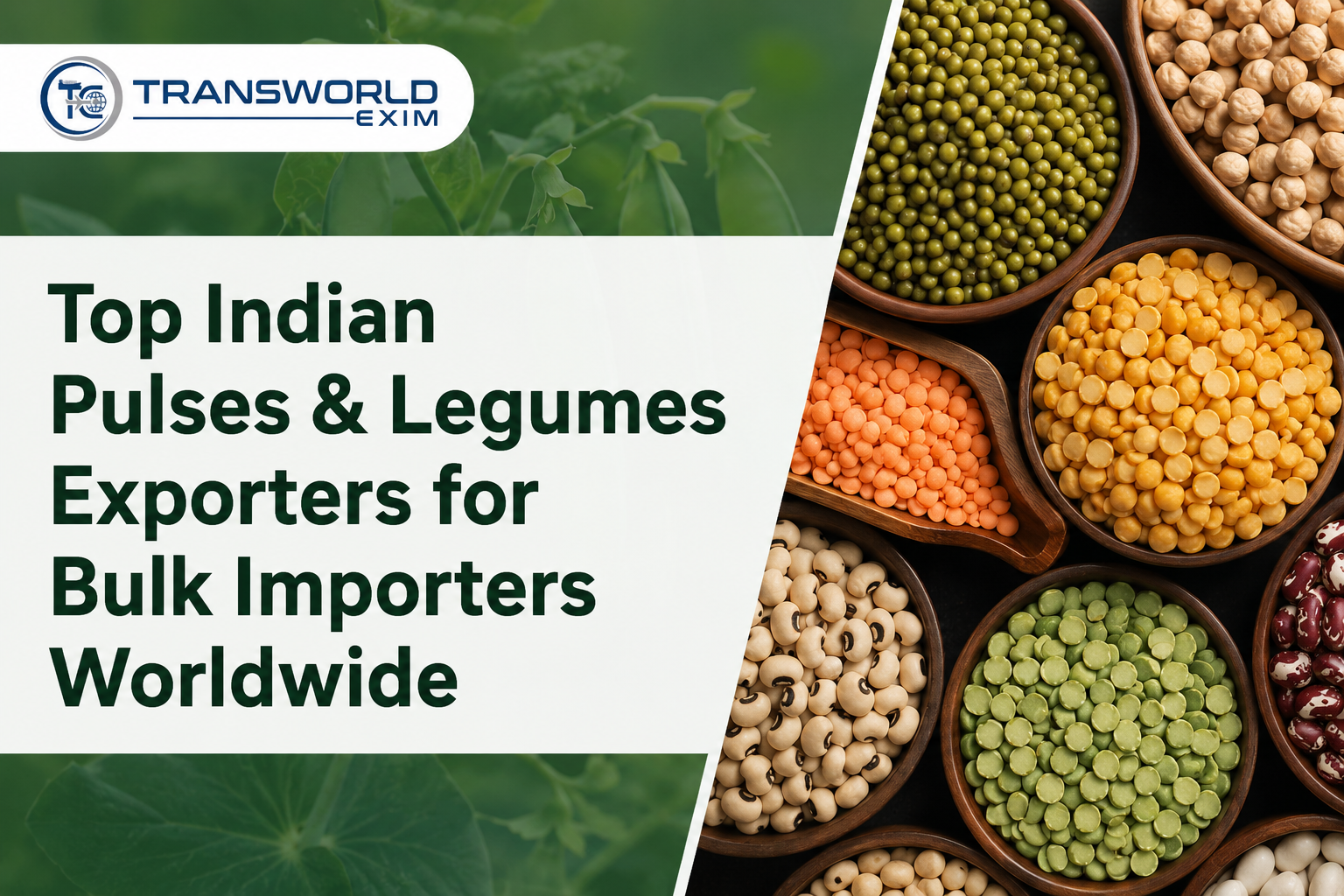
India has long been recognized as one of the world’s largest producers and exporters of pulses and legumes. From protein-rich lentils to premium-quality chickpeas and beans, Indian suppliers serve the growing global demand for healthy, affordable, and sustainable food products. For importers, wholesalers, supermarkets, and food distributors, finding a reliable pulses exporter in India is essential for maintaining quality standards and ensuring consistent supply.
With increasing consumer awareness around plant-based nutrition, pulses and legumes have become a staple across international markets. Businesses worldwide are actively seeking dependable wholesale pulses suppliers that can deliver export-grade products at competitive prices. This is where experienced Indian exporters play a major role.
In this blog, we will explore why India remains a leading hub for pulses exports, what bulk buyers should look for in a supplier, and how choosing the right legumes supplier can help businesses scale globally.
Why India Is a Global Leader in Pulses & Legumes Export
India has a strong agricultural foundation and favorable climate conditions that support the cultivation of a wide variety of pulses and legumes. Indian farmers produce large quantities of chickpeas, lentils, kidney beans, pigeon peas, mung beans, black gram, and many other products that are exported across Asia, Europe, the Middle East, Africa, and North America.
The country’s advanced supply chain and processing infrastructure also allow exporters to meet international quality standards efficiently. Many global buyers prefer working with a pulses exporter India because of the combination of product quality, competitive pricing, and wide product availability.
Indian exporters are capable of fulfilling both small and bulk orders while offering customized packaging and private labeling solutions for international markets. This flexibility makes India an ideal sourcing destination for supermarkets, wholesalers, food manufacturers, and distributors.
Growing Global Demand for Pulses and Legumes
The demand for pulses and legumes has increased significantly in recent years due to changing food habits and the rise of health-conscious consumers. Rich in protein, fiber, vitamins, and minerals, pulses are now widely used in vegan diets, processed foods, ready-to-cook meals, and traditional cuisines worldwide.
Countries across the Middle East, Europe, and North America continue to increase imports of premium-quality legumes to meet domestic demand. Restaurants, retail chains, food processing companies, and bulk distributors are constantly searching for reliable wholesale pulses suppliers that can provide consistent quality throughout the year.
This growing demand creates excellent opportunities for businesses to partner with experienced Indian exporters who understand international trade requirements and supply chain expectations.
Important Factors Bulk Importers Should Consider
Choosing the right legumes supplier is one of the most important decisions for importers. A reliable exporter ensures smooth delivery, quality assurance, and long-term business growth.
Product Quality Standards
Quality is the first thing international buyers evaluate before selecting a supplier. Export-grade pulses should be properly cleaned, sorted, and processed to meet global standards. Buyers often look for uniform grain size, natural color, low moisture content, and minimal impurities.
Professional exporters use advanced cleaning and grading machinery to maintain consistency in every shipment. This helps importers reduce quality-related complaints and improve customer satisfaction.
Consistent Supply Capacity
Bulk buyers require suppliers who can handle large-volume orders without delays. A dependable bulk pulses exporter should have a strong sourcing network and efficient logistics support to ensure uninterrupted supply.
Seasonal fluctuations and poor inventory management can affect international shipments. This is why importers prefer experienced exporters who maintain stable supply chains and reliable procurement systems.
Competitive Pricing
Pricing plays a major role in international trade. Importers usually compare multiple suppliers before finalizing a deal. Indian exporters are known for offering cost-effective pricing due to the country’s large-scale agricultural production and efficient processing systems.
However, buyers should not focus only on the lowest price. Product consistency, packaging quality, shipping reliability, and communication standards are equally important when selecting a wholesale pulses supplier.
Packaging & Customization
Different markets have different packaging requirements. Some buyers require retail-ready packaging, while others prefer bulk sacks or private-label solutions.
Professional exporters provide flexible packaging options based on customer needs. High-quality packaging also protects products during long-distance transportation and increases shelf life.
Most Popular Pulses & Legumes Exported from India
India exports a diverse range of pulses and legumes to international markets. Some of the most in-demand products include:
Chickpeas
Chickpeas are widely used in Middle Eastern, Mediterranean, and Asian cuisines. They are highly valued for their nutritional content and versatility in food processing industries.
Lentils
Lentils are one of the fastest-growing categories in global food trade. Red lentils, green lentils, and yellow lentils are extensively imported by wholesalers and supermarkets worldwide.
Kidney Beans
Kidney beans are commonly used in canned foods, ready meals, soups, and restaurant chains. Export-quality kidney beans from India are known for their rich color and uniform size.
Green Mung Beans
Mung beans are popular in Asian markets and are widely consumed for their health benefits. They are used in soups, desserts, sprouts, and traditional recipes.
Black Gram & Pigeon Peas
These products are heavily demanded across African and South Asian markets due to their use in staple food preparations and processed food industries.
A trusted pulses exporter India can supply these products in various grades and packaging formats based on market requirements.
Benefits of Partnering with a Reliable Indian Exporter
Working with an experienced exporter offers several advantages for international buyers.
Access to Multiple Products
Instead of dealing with multiple vendors, importers can source a wide variety of pulses and legumes from a single supplier. This simplifies procurement and reduces operational complexity.
Better Quality Control
Established exporters follow strict quality control procedures from sourcing to final packaging. This helps buyers maintain consistent product standards in their local markets.
Efficient Logistics Support
International shipping requires proper documentation, packaging compliance, and timely coordination. Professional exporters understand export regulations and ensure smooth delivery processes.
Long-Term Business Stability
Reliable suppliers help importers build long-term business relationships by offering transparent communication, timely deliveries, and dependable service.
Why Wholesale Buyers Prefer Indian Suppliers
India’s export ecosystem gives buyers several advantages over sourcing from many other countries. The country offers a strong balance between affordability and product quality, making it an attractive destination for global importers.
Indian suppliers also understand the needs of international buyers and often provide tailored solutions based on market demand. Whether it is bulk quantities, private labeling, or specific packaging formats, experienced exporters are capable of adapting to customer requirements.
Another important factor is the availability of year-round products through extensive agricultural networks. This ensures consistent supply even during seasonal demand fluctuations.
The Role of Export-Grade Processing in International Trade
Export-quality pulses undergo several stages of processing before shipment. Cleaning, grading, polishing, sorting, and moisture control are critical steps that ensure compliance with global import standards.
Modern processing facilities use advanced machinery to improve product consistency and reduce contamination risks. This is particularly important for importers supplying supermarkets and food processing industries where quality assurance is mandatory.
By partnering with a professional bulk pulses exporter, buyers can reduce operational risks and improve product reliability in competitive markets.
How Transworld Exim Supports Global Buyers
Transworld Exim focuses on supplying premium-quality pulses and legumes to international buyers across various markets. With a commitment to quality, competitive pricing, and reliable export services, the company works closely with wholesalers, distributors, supermarkets, and food businesses worldwide.
The company understands the importance of timely delivery, proper packaging, and consistent quality in global trade. By maintaining strong sourcing networks and export processes, Transworld Exim aims to meet the evolving demands of international bulk buyers.
Whether customers require large-volume shipments, customized packaging, or long-term supply partnerships, the company strives to provide dependable export solutions tailored to specific business requirements.
Conclusion
The global demand for pulses and legumes continues to grow as consumers increasingly prefer healthy and protein-rich food products. For importers, supermarkets, food distributors, and wholesalers, partnering with a reliable pulses exporter India is essential for maintaining quality and ensuring stable supply.
India remains one of the most trusted sourcing destinations due to its agricultural strength, competitive pricing, and extensive export capabilities. Choosing the right wholesale pulses supplier can help businesses improve efficiency, reduce sourcing risks, and build long-term success in international markets.
For businesses looking for dependable export-quality pulses and legumes, working with experienced suppliers like Transworld Exim can provide the reliability and flexibility needed in today’s competitive global trade environment.